
Articles | Postado no dia: 10 September, 2026
Professional Drone Use in Brazil: What to Consider Before Starting an Operation
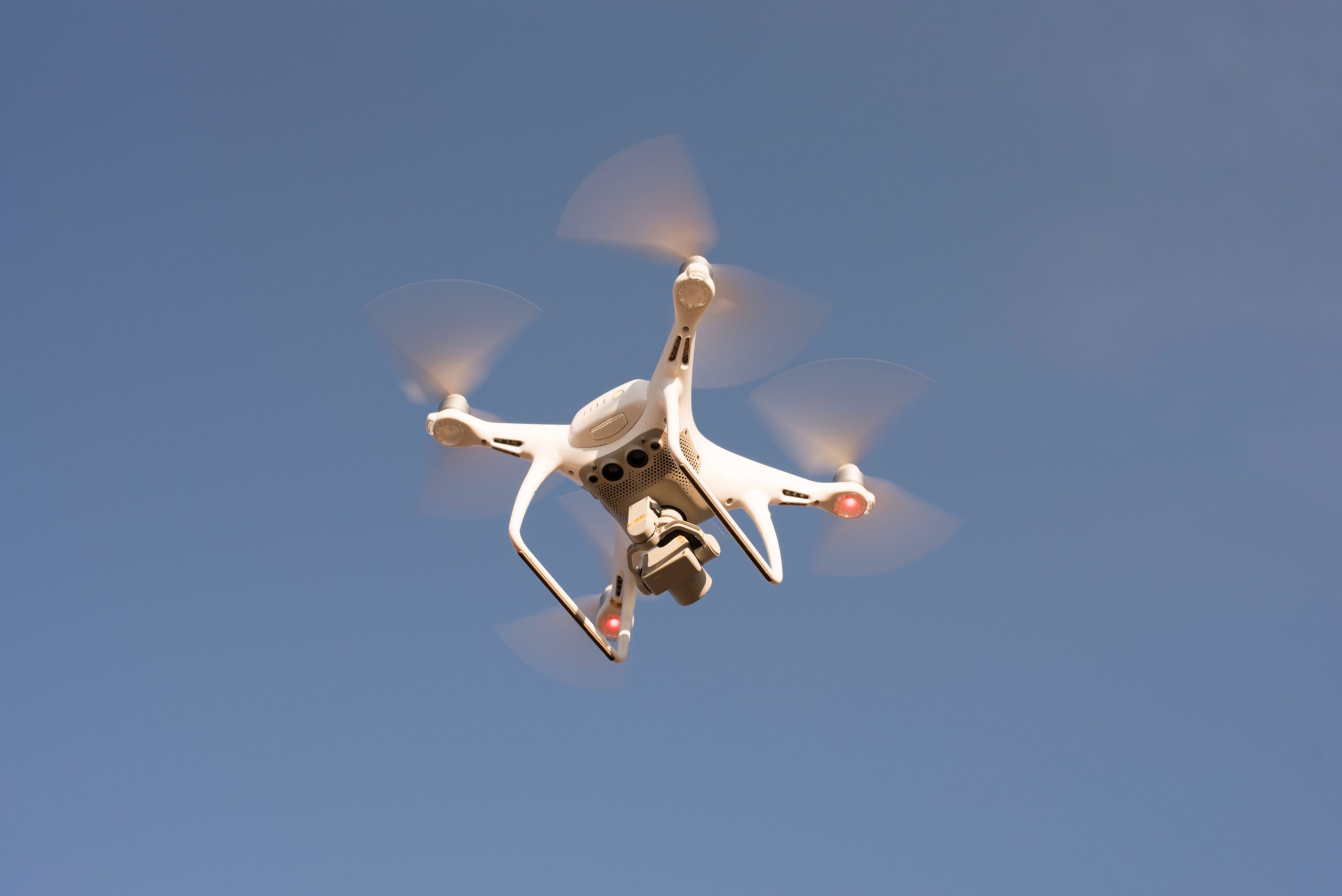
Drones are now part of a wide range of business activities in Brazil, including inspections of properties and structures, environmental, topographic and geological surveys, construction monitoring, area surveillance and support for asset security.
However, adopting this technology requires companies to comply with several regulatory requirements. For professional use, purchasing a drone does not, by itself, authorize the company or operator to fly it.
One of the first requirements to consider is certification by Brazil’s National Telecommunications Agency (ANATEL). Drones, remote controllers and other equipment that uses radio frequencies must be properly certified. For equipment sold in Brazil, companies should check the certification label and registration number. In certain cases involving imports for personal or corporate use, certification may need to be obtained specifically for the individual unit.
Companies must also comply with the rules established by Brazil’s National Civil Aviation Agency (ANAC). Depending on the characteristics of the aircraft, the drone must be registered, linked to the responsible party and identified with its registration number.
Registration, however, does not constitute permanent authorization to fly. Brazil’s Department of Airspace Control (DECEA) regulates access to Brazilian airspace through the SARPAS system. As a general rule, when authorization is required, it must cover the specific operation — or the period of operations allowed by the system — taking into account factors such as location, operating area, altitude, time, aircraft, pilot and flight category.
Therefore, a previous authorization should not be treated as a general permit for future flights.
Requirements also vary according to the aircraft’s weight, its distance from third parties and whether the pilot maintains visual contact with the drone. Beyond Visual Line of Sight (BVLOS) operations, for example, are subject to additional requirements.
Professional drone operations may also involve third-party liability insurance, risk assessments, pilot training and pre-flight procedures. The purpose and location of the operation are also relevant. Image capture may trigger requirements under Brazil’s General Data Protection Law (LGPD), while operations in environmentally sensitive areas may require additional precautions, particularly regarding wildlife.
Business use of drones can improve efficiency and monitoring capabilities, but it requires an integrated compliance assessment. It is not enough to verify whether the equipment itself is properly registered or certified. Companies must also assess who will operate the drone, where the flight will take place, its purpose and which authorizations are required for that specific operation.
For professional drone use in Brazil, compliance goes beyond the aircraft itself. Before each operation, companies should verify the requirements applicable to the drone, operator, airspace, purpose of the flight and location where it will be conducted.
Author: Emília Doroteu