
Articles | Postado no dia: 25 August, 2026
Contract Administration: connecting contracts, operations, and strategy
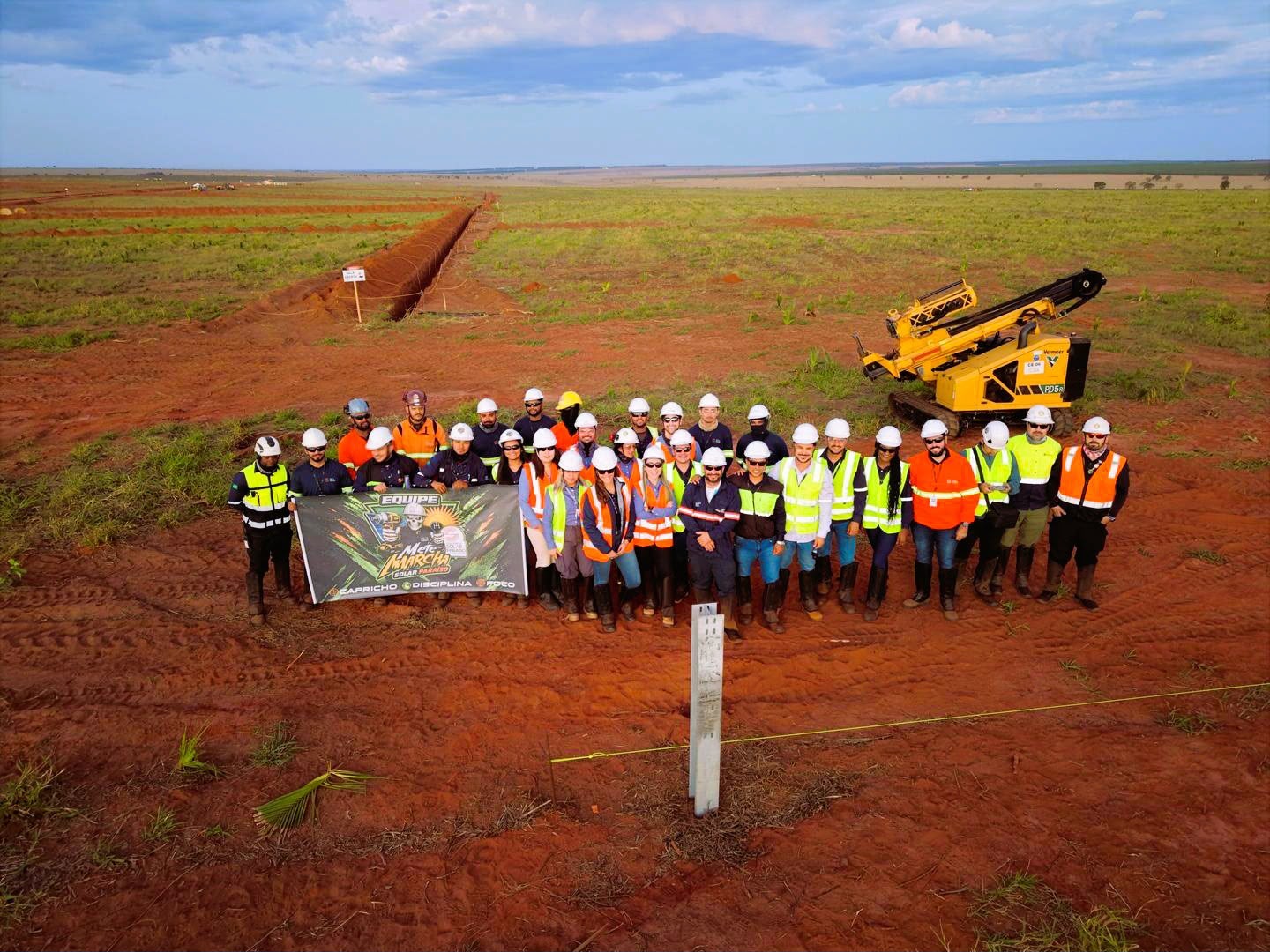
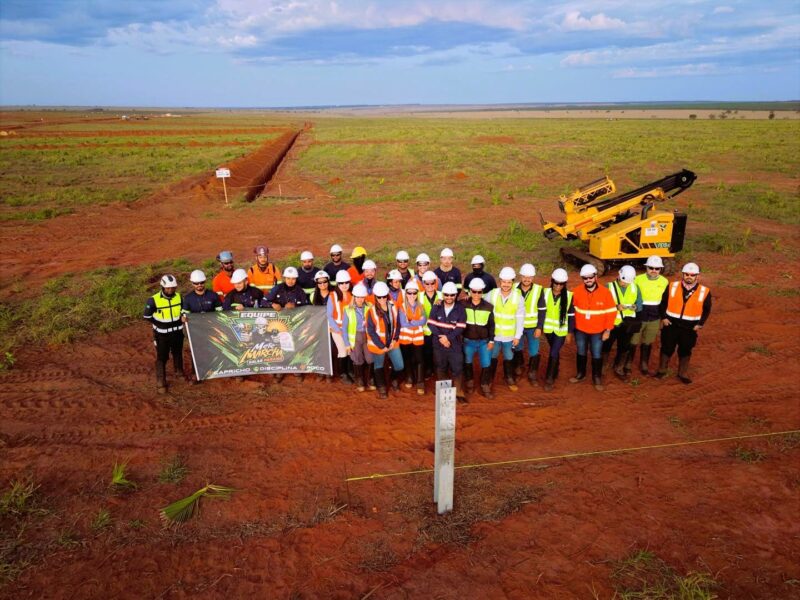
Team of professionals gathered on site during an infrastructure project activity.
A well-structured contract is essential to any project. However, in complex developments, signing the agreement is only the beginning.
It is during project execution that delays, scope changes, interferences, engineering decisions, measurements, and other events may arise, potentially affecting schedules, costs, responsibilities, and the rights of the parties involved.
It is precisely within this space, between what was originally agreed upon and what actually takes place throughout the project, that Contract Administration plays a role.
Its purpose is to monitor the contract throughout the execution of the project, connecting its provisions to operational reality and supporting the identification and management of obligations, risks, deadlines, and relevant events.
For this reason, Contract Administration is inherently multidisciplinary. Legal, engineering, planning, commercial, and project management teams need to communicate effectively, as a seemingly technical or operational decision may have significant contractual consequences.
Imagine, for example, that the engineering team identifies an interference that may affect the project schedule. The immediate concern may be to find a technical solution. From a Contract Administration perspective, however, other questions must also be considered:
- Who is contractually responsible for the event?
- Is there an impact on the schedule or costs?
- Is there a deadline for communicating the event?
- Has the occurrence been properly documented?
- Is formal notification required?
- Could the situation support a future claim?
Asking these questions while the event is taking place allows its impacts to be managed in a much safer and more effective manner.
The contract in motion
Contract Administration is not limited to analyzing or reviewing documents. It follows the contract in motion, within the actual dynamics of the project.
This includes, among other areas, monitoring obligations, deadlines, milestones and deliverables, scope changes, measurements, communications, notifications, suppliers, records, and potential claims.
More than simply carrying out controls, this work seeks to understand project events in light of the contract, anticipate risks, and prevent seemingly simple situations from developing into more significant disputes.
In many cases, a contractual dispute does not arise from a single major event. It develops throughout project execution: a communication that was not formally documented, an impact that was not recorded, a change handled informally, or a contractual deadline that was not observed.
This is precisely where a preventive approach becomes particularly relevant.
Staying close to the project site
In infrastructure projects, understanding the contract also requires understanding the project itself.
For this reason, on-site presence is part of the very logic of Contract Administration.
“My monthly visits to the project site allow me to closely follow the execution, understand the operational dynamics, align information with the teams involved, and identify, more accurately, facts and risks that may have contractual impacts. This proximity ensures that the analysis remains connected to what is actually happening in the project.”
— Líddian Benevides, Contract Administration | Civil Advisory Practice, APSV Advogados
This proximity allows contractual work to take place not only when a problem has already emerged, but also alongside decisions and events as the project evolves.
In complex developments, therefore, negotiating a good contract is just as important as managing it properly throughout its entire execution.
Contract Administration operates precisely at this intersection of contract, operations, and strategy, helping anticipate risks, preserve rights, and support safer decision-making throughout the project.